Today's Hours:


How come there are no blue or green mammals?
4 minutes
February 8, 2022
Have you ever thought about this? Think about it for a minute. If you were to list 10 mammals off the top of your head – perhaps animals like your dog, cat, an elephant, rat, zebra, skunk, raccoon, opossum, bobcat, or even a coyote – you would quickly realize that the colors of these mammals lack blue and green hues. There are a couple of reasons as to why this is, and why other animals like insects, birds, amphibians, and reptiles exhibit these colors quite often.
The reason has to do with chemistry primarily. First off, let’s talk about what produces colors in living things. Pigments are chemical compounds that are responsible for producing color in the biological world. When pigments absorb light, they reflect back certain wavelengths, producing colors our eyes can perceive. Plants, for example, have many different kinds of pigments with all kinds of peculiar names, such as carotenoids, flavonoids, and anthocyanins. Thousands of these chemicals have been identified by scientists and this is the reason why plants can produce a vast array of colors – from the dominant green leaves, to different shades of bark on trees, to the orange color of a carrot, the colorful fruits and flowers there are and the beautiful foliage colors we see during autumn in temperate latitudes.
When it comes to animals however, things are a bit different. The vast majority of animals simply do not have the variety of pigments that plants do. Specifically, they are not able to genetically produce blue and green pigments. Then how come we still see animals that are those colors? There’s blue butterflies, green frogs, and peacocks are well-known for their blue feathers! Most of these animals produce this color through a phenomenon known as structural coloration, which is the optical illusion of a color, essentially. Small structures of the skin scatter and reflect back light in a way so that only the blue wavelengths reach our eyes. But, in reality, there is no blue pigment doing that. When it comes to green, usually there is a yellow pigment involved with a structural blue coloration.
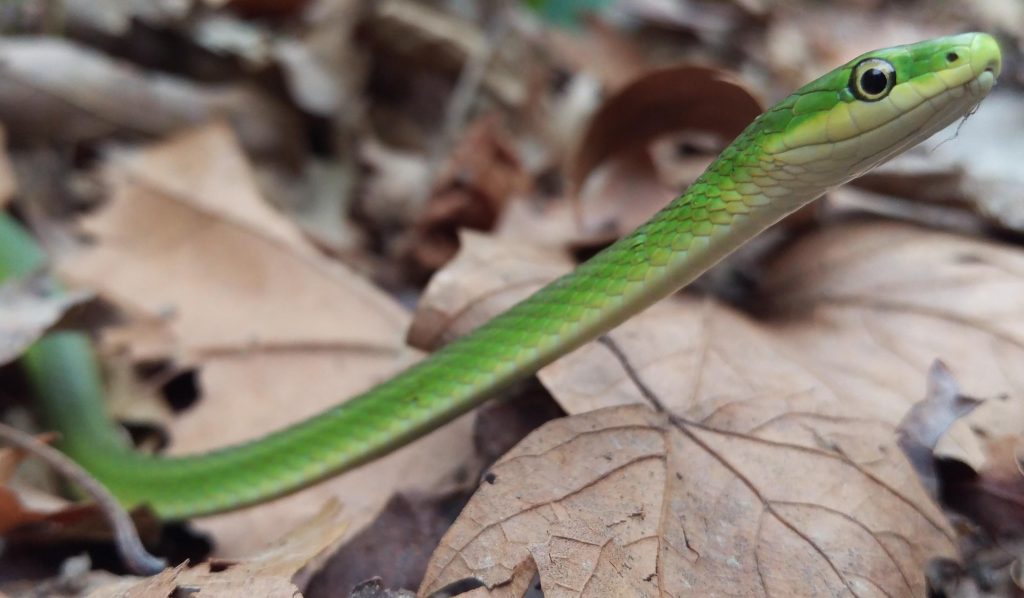
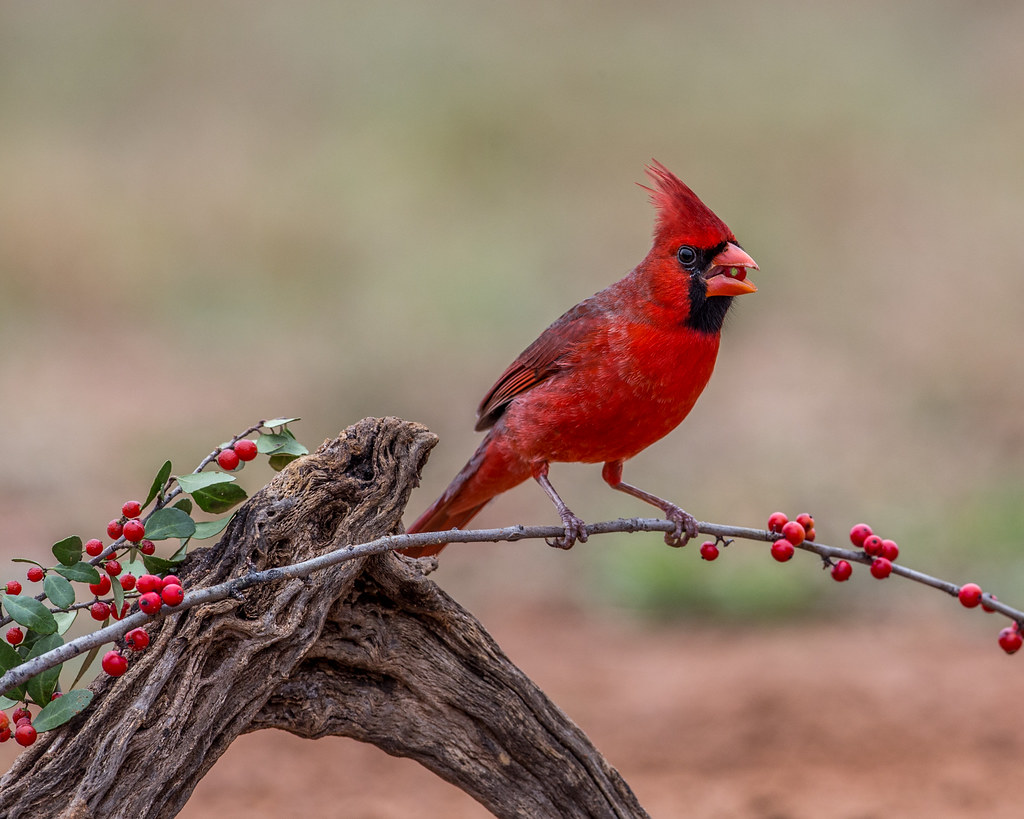
For instance, when a rough green snake (Opheodrys aestivus), a common River Legacy snake, dies, it turns blue because the yellow pigment is no longer being produced but the structural color is still there. Another way animals are able to produce vibrant colors is by obtaining pigments from their environment, typically their diet. This is how flamingos develop their typical pink to red hue, by eating foods like algae, shrimp, and crabs that have these pigments in them. A similar phenomenon occurs with the northern cardinal (Cardinalis cardinalis), another River Legacy common sight.
Now, let’s go back to mammals. Mammals have not been able to evolve or have lost the ability to implement pigments obtained through their diet to the same extent as other animals have. It happens but not to the same degree. This is why eating something like beets can turn the toilet a certain color when we go to the bathroom but it does not turn our skin purple. When it comes to naturally-produced pigments, mammals really only produce one kind – melanin. Melanin is an important pigment that provides protection against the sun’s damaging UV rays but it also is responsible for the majority of colors in mammalian skin. It comes in two kinds – eumelanin (responsible for black and brown colors) and pheomelanin (responsible for yellow or reddish to brown colors). Very few mammals, like mandrills (a type of African monkey), are able to produce small amounts of blue color through structural coloration.
But, how come no other mammals can? Scientists are not really sure but it may have had to do with the evolutionary history of mammals. Early mammals survived during the Mesozoic era, the golden age of the dinosaurs, by basically not being around them too much in order to avoid becoming food or by not trying to compete with them for the same resources. It is believed that most dinosaurs were active during the day so it is most likely that mammals had to turn to a largely nocturnal lifestyle. This meant that mammals did not have the need to develop adaptations that were not necessary in the night, such as the ability to see a wide range of vibrant colors. If there was no selective pressure (i.e. need) for either evolving structural coloration, pigment formation, or the ability to obtain pigments through diet, then the genes that allowed for those traits disappeared from the mammalian gene pool. The majority of animals today, with the exception of most mammals, have stellar color vision. On the other hand, as a result of their evolutionary history, mammals tend to be color-blind when it comes to blue and green colors. The big exception to this are primates – the group to which humans and mandrills belong. Therefore, it is hypothesized that as a result of all of this, the vast majority of mammals lack green or blue colors on their skin or fur.
What an incredible and fascinating subject to be sure. Next time you take a hike in the River Legacy trails and you come across a mammal – whether it be a squirrel, bobcat, or rabbit – you will know why those creatures are not flashing blue and green at you!
Upcoming Events

October 8, 2026
Nature Center closed October 8-9
River Legacy Nature Center will be closed to the public on October 8 and 9 as we prepare for Fall Fest on October 10. Please...
Learn More
October 10, 2026
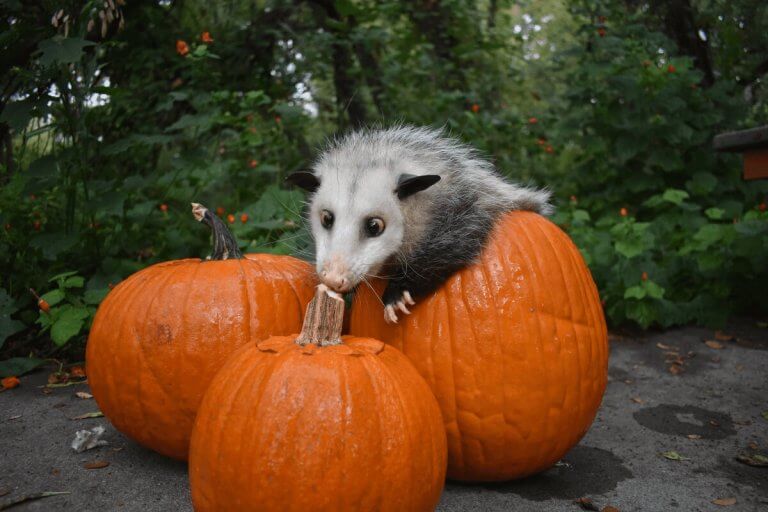
Fall Festival
Get ready for a day of family fun at River Legacy’s Fall Festival 2026! 🍂🎃 Join us for an exciting autumn celebration filled with nature,...
Learn More
October 16, 2026
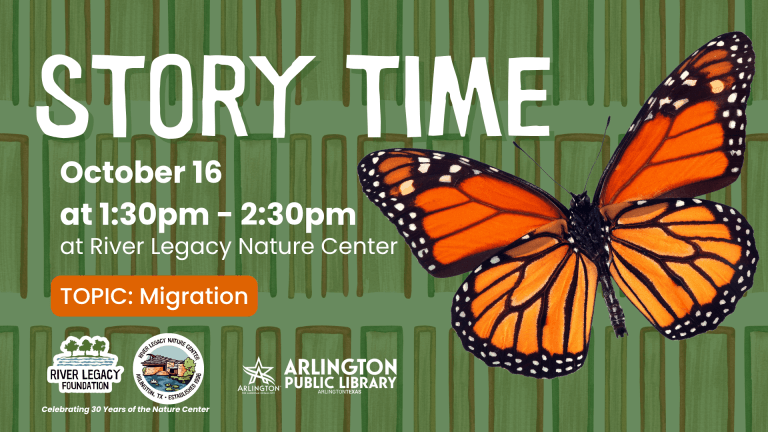
Family Story Time: Migration
Join us on October 16 for a family-friendly nature program all about story time and migration! In partnership with the Arlington Public Library, this interactive...
Learn More

October 17, 2026
Saturday Morning Hike
Join a River Legacy naturalist for a free Saturday morning hike through the trails of River Legacy Park! Enjoy a relaxed walk while learning more...
Learn More
October 21, 2026
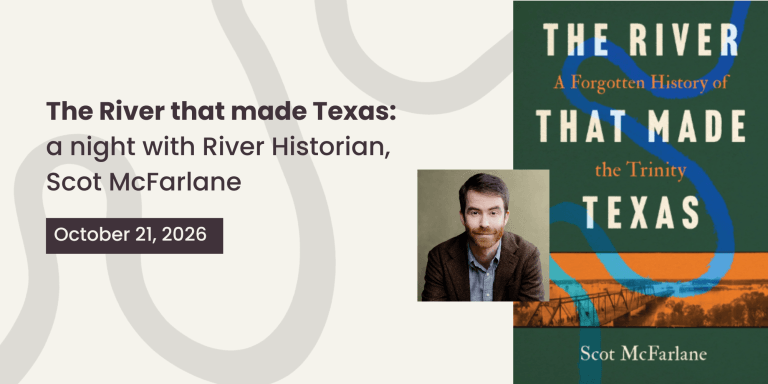
The River that Made Texas: An Evening with Scot McFarlane
Join River Legacy Nature Center for a special evening with river historian and author Scot McFarlane, celebrating the release of his new book, The River...
Learn More
October 22, 2026
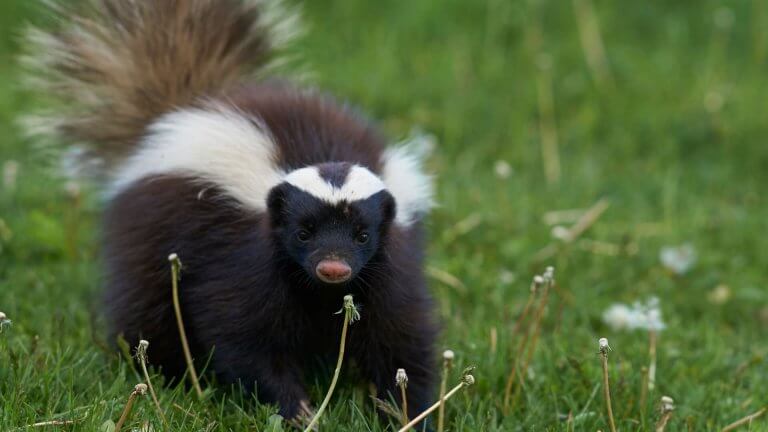
Adventures with Skunks (2.5-4 yrs old)
Join us to learn all about skunks! This is a 1 1/2 hour learning opportunity for preschoolers (ages 2 1/2 to 4 years old) and...
Learn More
October 26, 2026
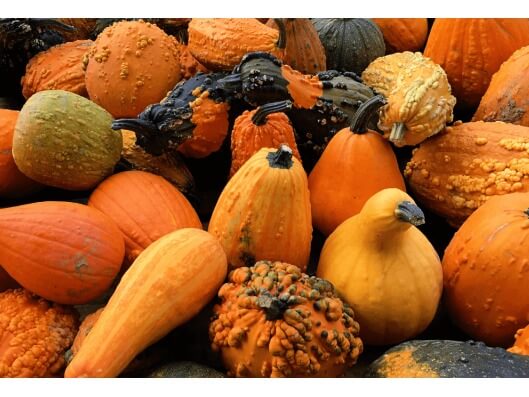
Pumpkinology Enrichment Class (Ages 5-9)
In this hands-on science class, students will explore pumpkins inside and out! We’ll dissect a pumpkin to examine its parts, test whether it sinks or...
Learn More
October 31, 2026
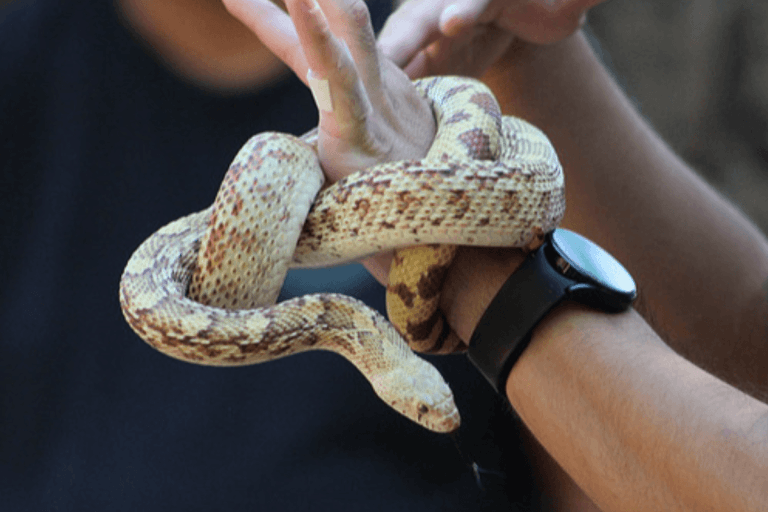
Free Animal Presentation: Sonoran Gopher Snake
Join us for Creature Features and meet River Legacy Nature Center’s featured animal ambassador: the Sonoran gopher snake! Learn about the animal’s adaptations, behavior, lifestyle...
Learn More
November 2, 2026
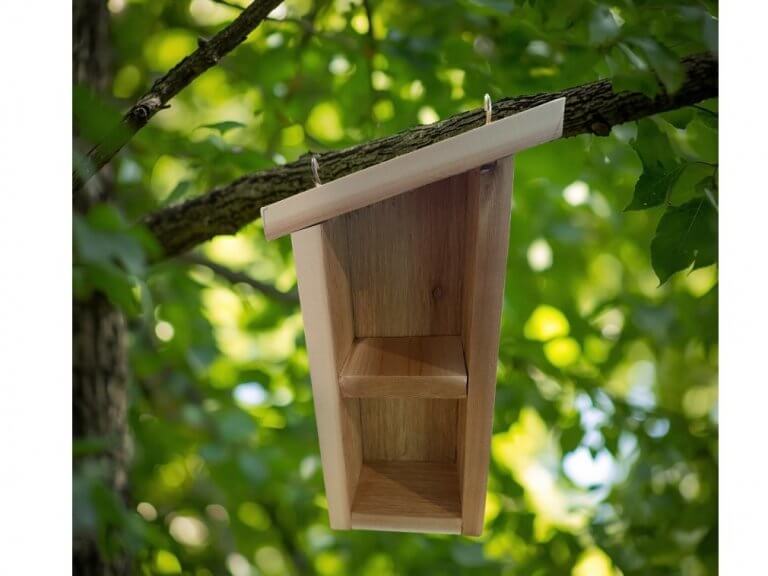
Insect Inn Enrichment Class (Ages 5-9)
Welcome to the Insect Inn, where young nature explorers become builders and bug buddies! In this hands-on STEM class, children will create their very own...
Learn More
November 5, 2026
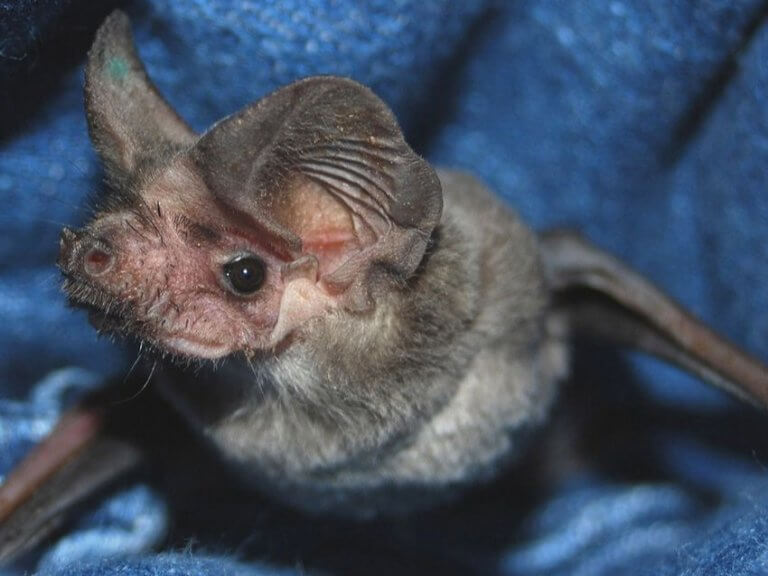
Adventures with Bats (2.5-4 yrs old)
Join us to learn about the wonderful life of bats! This is a 1 1/2 hour learning opportunity for preschoolers (ages 2 1/2 to 4...
Learn More