Today's Hours:


Privet
3 minutes
June 28, 2023
Written by: Whitney Campbell / Volunteer Coordinator
When I first started working at River Legacy as the Volunteer Coordinator, I admit, I had absolutely no clue what ligustrum (privet) was. Fast forward to today… I know exactly what privet is and I do not like it one bit. Privet is a terribly invasive, non-native species of plant that grows at an astounding rate, adapts easily, is resistant to disease, and will take over and kill non-invasive, native plant life that is beneficial to the ecosystem- and all that our ecosystem encompasses.
There are several different types of ligustrum species sold at nurseries (as well as at big-box retail stores like Home Depot), which should be avoided. These species of ligustrum were all introduced to North America from other continents and all of them look fairly similar to each other but have different common names which I will cover within this article.
According to the USDA, Chinese Privet (l. sinense) is one of the worst invasive species in the South. It thrives in the warm climate of the Southeast and has completely taken over many of the wooded areas in that region.
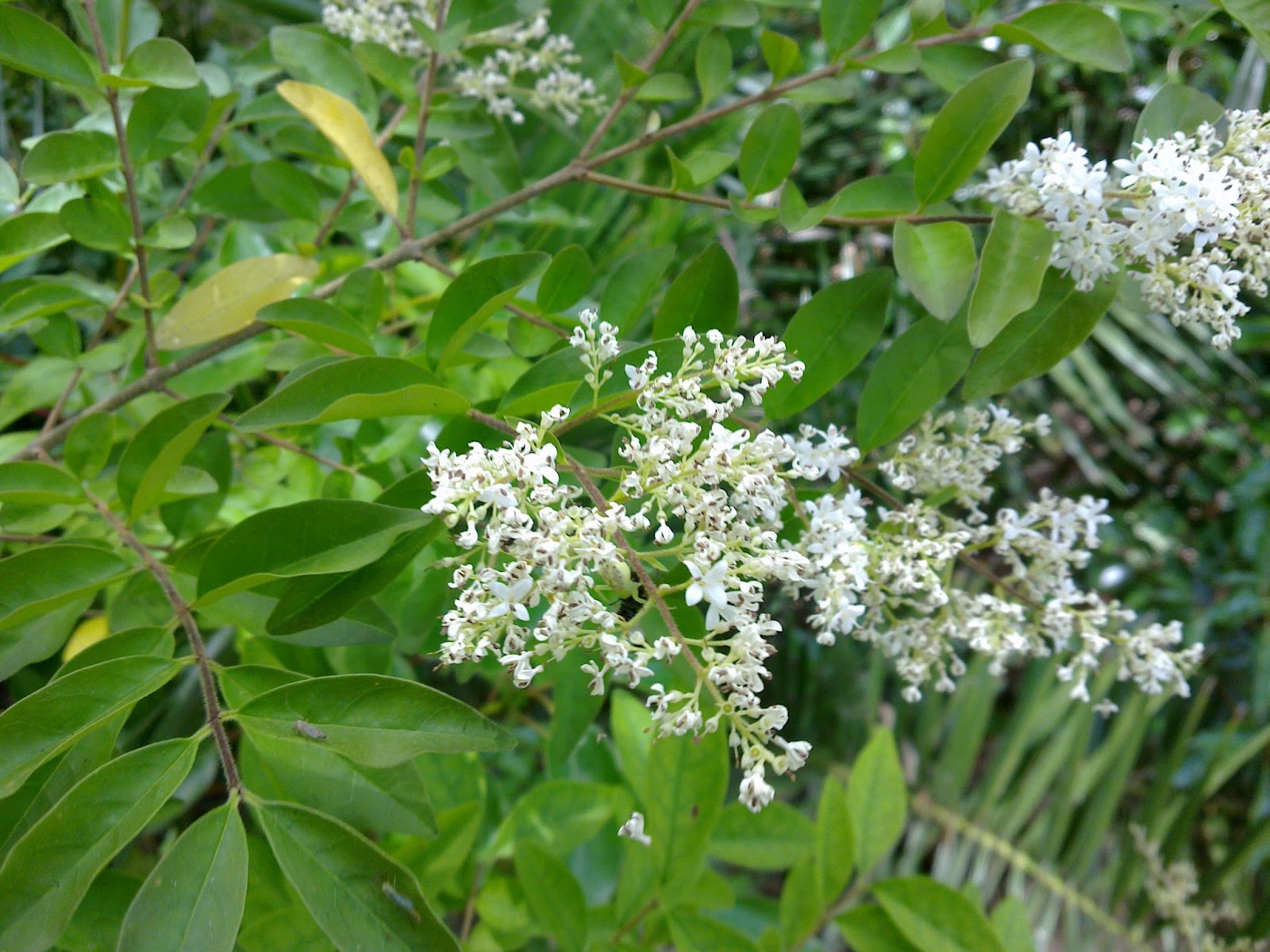
Chinese Privet was introduced in the US from Asia in the 1800s and escaped cultivation by the 1930s, continuing to spread over the past nearly 100 years. According to Wildlife.org, it is the primary cause of biodiversity loss along streams in the Southeast. Chinese Privet can also grow just about anywhere- in the sun, in the shade, in wet soil, in dry soil, in the city, in the country- you name it. Adding to the problem and complexity of privet is the fact that, if not removed properly, and on a regular basis, it will rebound, regrow and continue to ‘bully’ nature preserves and urban areas by taking over and consuming the land with its thickets, thus causing wildlife and bird populations to decline. Privet also matures early and produces abundant seeds and rhizomes which spread rapidly. As a result, privet forms monocultures, displacing native plant species that wildlife depends on, and for centuries has always depended on, for food and shelter. USDA rates the privet berries’ food value to wildlife as low. It’s been referred to as “popcorn for birds”, whereas native shrubs and trees such as cherry laurel, beautyberry, coralberry, and possumhaw vastly produce berries that are healthy and beneficial for wildlife.
Privet is also very deceiving, as it is not as unsightly, as one might think. To the untrained eye, privet appears to be a pretty, glossy, flowery plant- but make no mistake, it is NOT a friendly plant species in the least, rather it is an enemy… an invasive monster that knows no bounds.
Other types of privet include:
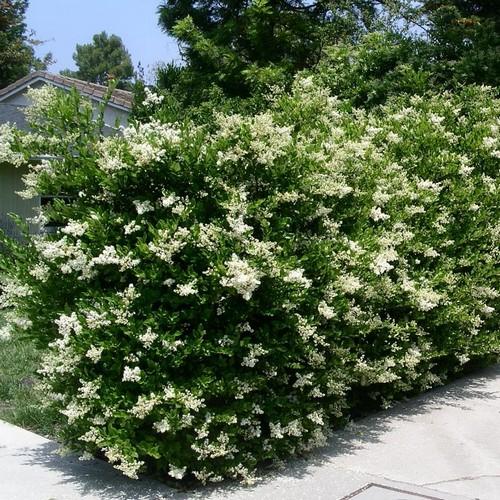
- Ligustrum japonicum (Japanese Privet- aka: “Wax Leaf Ligustrum”) – looks similar to Chinese Privet, but it has larger, thicker leaves.
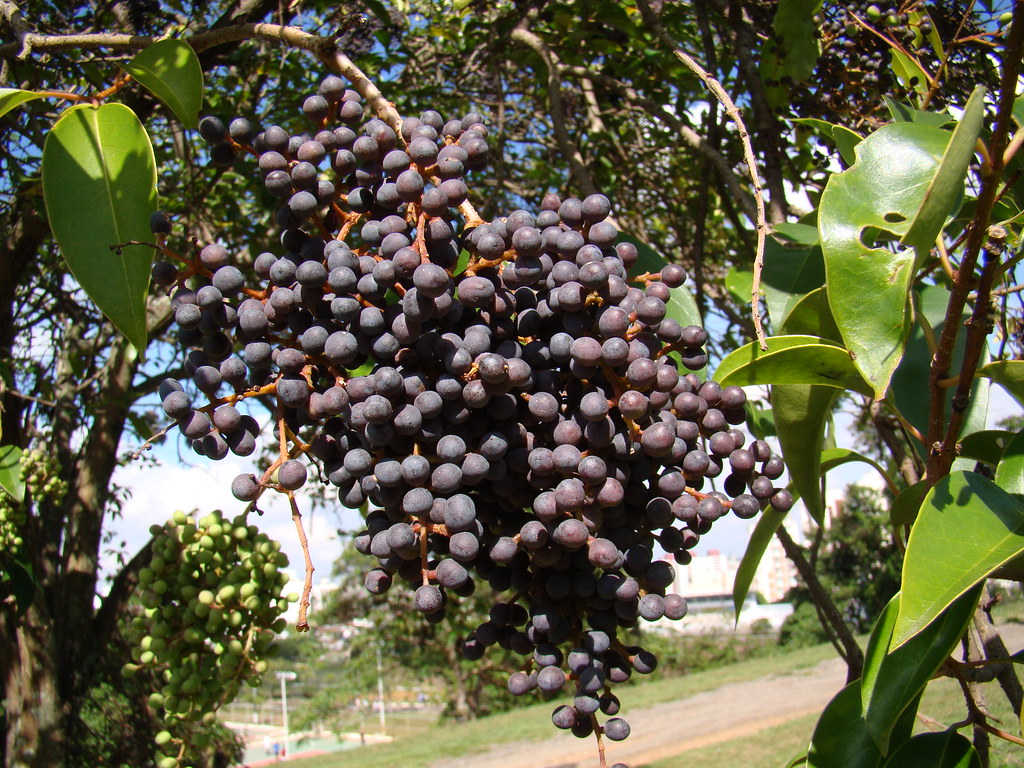
- Ligustrum lucidum (Glossy Privet) – can grow up to 50 feet tall.
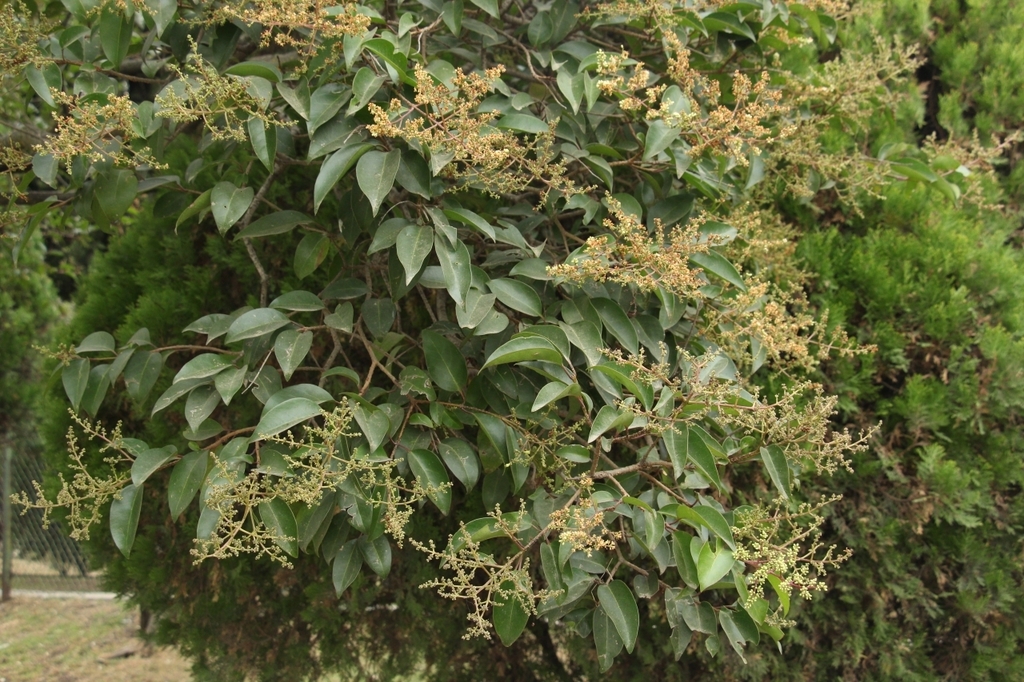
- Ligustrum vulgare (European Privet) – Native to Europe and Northern Africa, this species of privet , also known as “Common Privet” is taking over forests of the Northeastern United States.
Spot privet on your property? Take these steps to remove it ASAP:
- If the plant is small, dig it out. The best thing you can do is get to the ligustrum seedlings before they grow larger. Dig them out, removing all the roots.
- If the plant is large, cut it down to the ground. Larger plants may require a chainsaw to cut down, as some can grow up to 50 ft tall.
- Apply herbicide to the stump: Removing privet typically requires a herbicide application. Heavy duty herbicides, such as Pathfinder 2, are most effective. Spray the trunk and root collar… combining the herbicide with dye is helpful, as the dye allows you to see where you’ve sprayed it.
- Monitor for regrowth: Even with the herbicide, there will be regrowth. Monitor every few months and hand prune and apply more herbicide as needed.
Are all ligustrum bad news? The answer to this question would be a resounding YES! Your best bet is to opt for a non-invasive, native, beneficial alternative such as Cenizo, Yaupon Holly, Mountain Laurel, Evergreen Sumac, Wax Myrtle, Dwarf Barbados Cherry, plus many more. Not only would you be doing yourself and your yard a favor, you would simultaneously be doing our ecosystem and the wildlife it houses a huge favor, too. JUST SAY NO TO PRIVET!
Martin, A. (2022). How North Texas natural areas are battling privet. (2022, April 7). GreenSource DFW. https://greensourcedfw.org/articles/battling-privet-north-texas-parks
Giambalvo, H. (2021). 5 Important Reasons to Not Plant Ligustrum (Privet) (2021, August 16). Native Backyards. https://nativebackyards.com/ligustrum/#download-the-free-invasive-plants-pdf
Upcoming Events
October 16, 2026
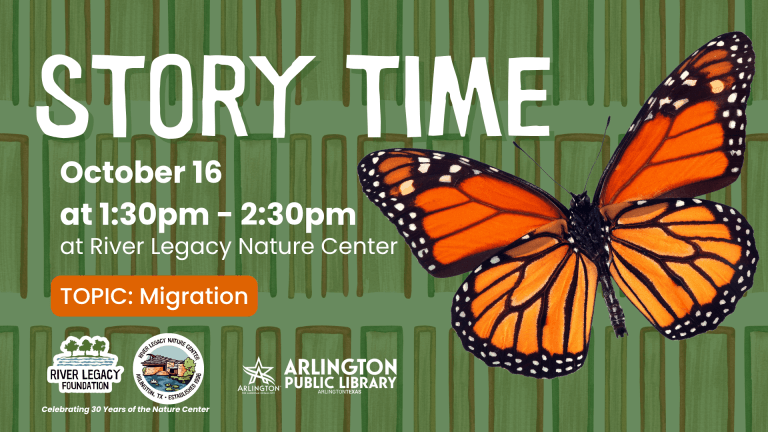
Family Story Time: Migration
Join us on October 16 for a family-friendly nature program all about story time and migration! In partnership with the Arlington Public Library, this interactive...
Learn More

October 17, 2026
Saturday Morning Hike
Join a River Legacy naturalist for a free Saturday morning hike through the trails of River Legacy Park! Enjoy a relaxed walk while learning more...
Learn More

October 21, 2026
The River that Made Texas: An Evening with Scot McFarlane
Join River Legacy Nature Center for a special evening with river historian and author Scot McFarlane, celebrating the release of his new book, The River...
Learn More

October 22, 2026
Adventures with Skunks (2.5-4 yrs old)
Join us to learn all about skunks! This is a 1 1/2 hour learning opportunity for preschoolers (ages 2 1/2 to 4 years old) and...
Learn More

October 26, 2026
Pumpkinology Enrichment Class (Ages 5-9)
In this hands-on science class, students will explore pumpkins inside and out! We’ll dissect a pumpkin to examine its parts, test whether it sinks or...
Learn More
October 31, 2026
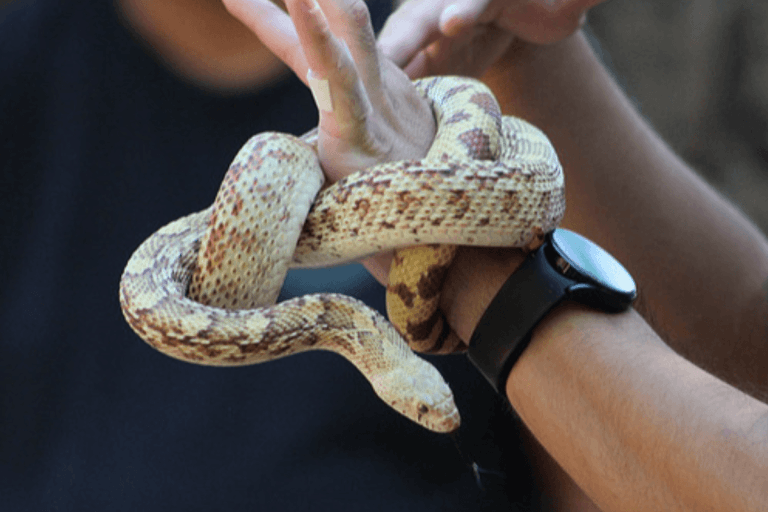
Free Animal Presentation: Sonoran Gopher Snake
Join us for Creature Features and meet River Legacy Nature Center’s featured animal ambassador: the Sonoran gopher snake! Learn about the animal’s adaptations, behavior, lifestyle...
Learn More
November 2, 2026
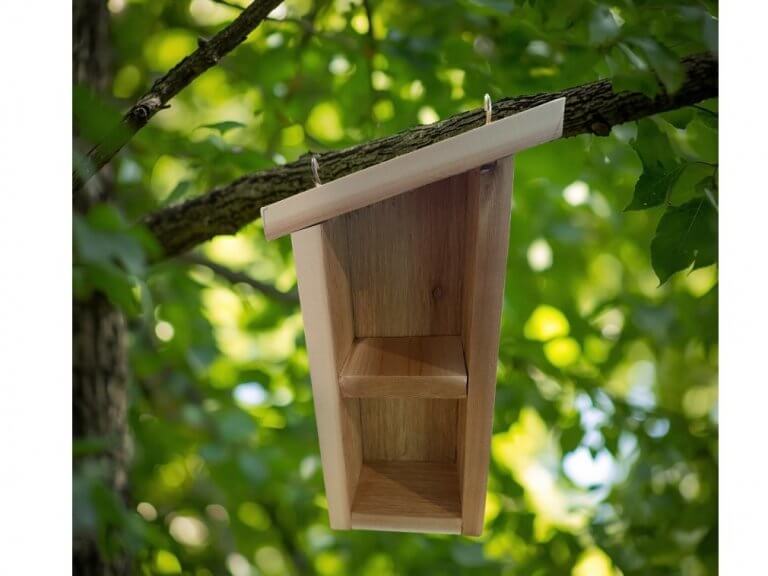
Insect Inn Enrichment Class (Ages 5-9)
Welcome to the Insect Inn, where young nature explorers become builders and bug buddies! In this hands-on STEM class, children will create their very own...
Learn More
November 5, 2026
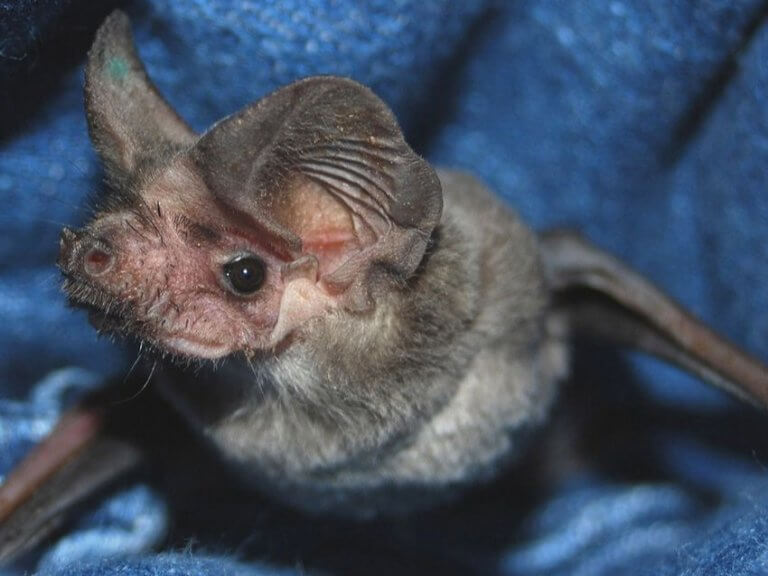
Adventures with Bats (2.5-4 yrs old)
Join us to learn about the wonderful life of bats! This is a 1 1/2 hour learning opportunity for preschoolers (ages 2 1/2 to 4...
Learn More
November 6, 2026
A Night with Nature
Join us for A Night With Nature—an enchanting evening of food, drinks, and fun at River Legacy Nature Center! This 21 fundraiser supports our vital environmental...
Learn More
November 19, 2026
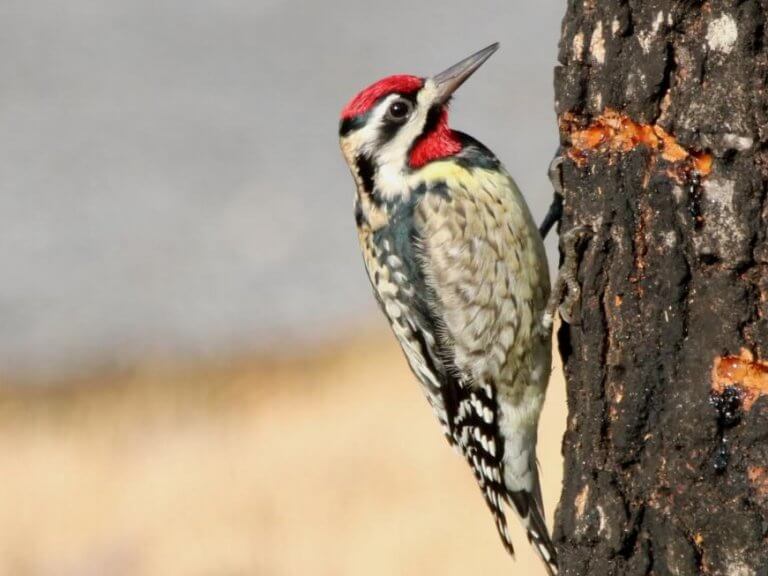
Adventures with Woodpeckers (2.5-4 yrs old)
Join us to learn all about woodpeckers! This is a 1 1/2 hour learning opportunity for preschoolers (ages 2 1/2 to 4 years old) and...
Learn More