Today's Hours:


Shedding Snakes
1 minute
January 20, 2020
Most animals (including humans!) shed their skin. As humans, we usually shed our skin in small pieces and we hardly ever notice it, but snakes sometimes shed theirs in one piece – kind of like how we take off our socks! As humans grow, our skin stretches with us and continues to grow as well. As a snake grows, it’s skin stays the same size and eventually, new growth is not possible and the snake is forced to shed. Snakes also shed their skin to get rid of any parasites on their skin. Parasites are organisms that steal their food from the organism they are living on or inside of.
How can you tell when a snake is going to shed? A snake’s eyes will turn a blue/milky color when they are ready to shed. Why do their eyes turn this color? Snakes have a protective scale over their eye and when the old eye scale starts to separate from the newly formed scale it has fluid buildup and causes the blue/milky color we see (Image 1). During this time period at River Legacy, we try not to handle our snakes because they cannot see and this can sometimes cause distress in the snake. When snakes are in the wild and are close to shedding they usually hide to avoid being attacked by predators.
Snakes shed for their whole life, but as they get older it slows down. How often a snake sheds depends on the type of snake as well as their age. Young snakes may shed 1 to 2 times a month and older snakes may only shed 2 times a year. If you’re interested in learning more about snakes, please join us for our Spring Break Activities: Reptile Day, during the week of March 9-13! Stay tuned for more information about specific times.
This post was written by Samantha King, River Legacy Living Science Center naturalist.

Upcoming Events
November 19, 2026
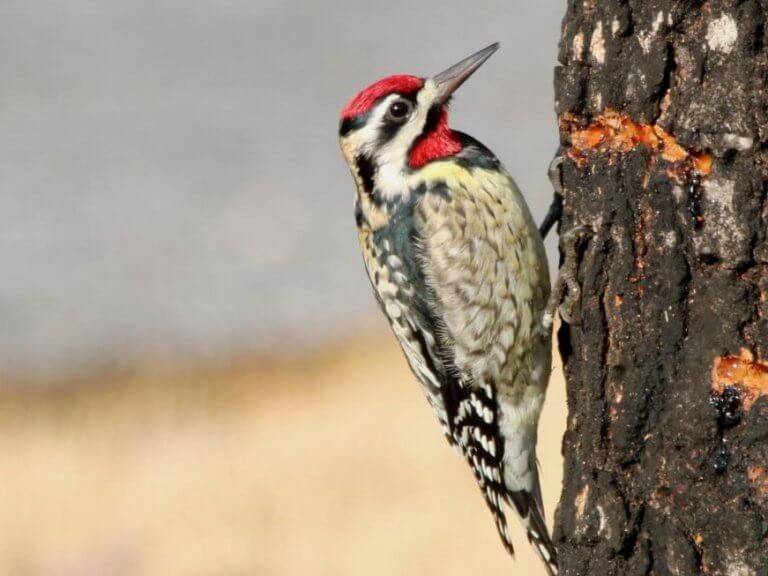
Adventures with Woodpeckers (2.5-4 yrs old)
Join us to learn all about woodpeckers! This is a 1 1/2 hour learning opportunity for preschoolers (ages 2 1/2 to 4 years old) and...
Learn More
November 23, 2026
Nature’s Simple Machine Enrichment Class (Ages 5-9)
In this hands-on class, young explorers will discover how simple machines can be found in nature and how animals use these clever tools to help...
Learn More
November 28, 2026
Free Animal Presentation: Salamanders
Join us for Creature Features and meet River Legacy Nature Center’s featured animal ambassadors: Salamanders! Learn about the animal’s adaptations, behavior, lifestyle and natural history...
Learn More
December 3, 2026
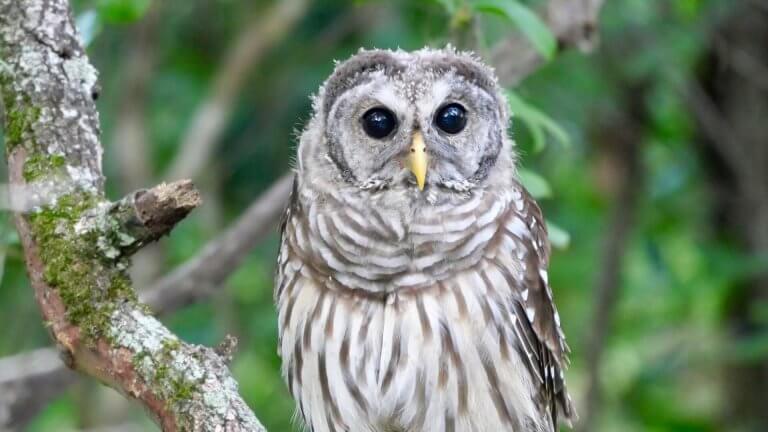
Adventures with Owls (2.5-4 yrs old)
Join us to learn all about owls! This is a 1 1/2 hour learning opportunity for preschoolers (ages 2 1/2 to 4 years old) and...
Learn More
December 4, 2026
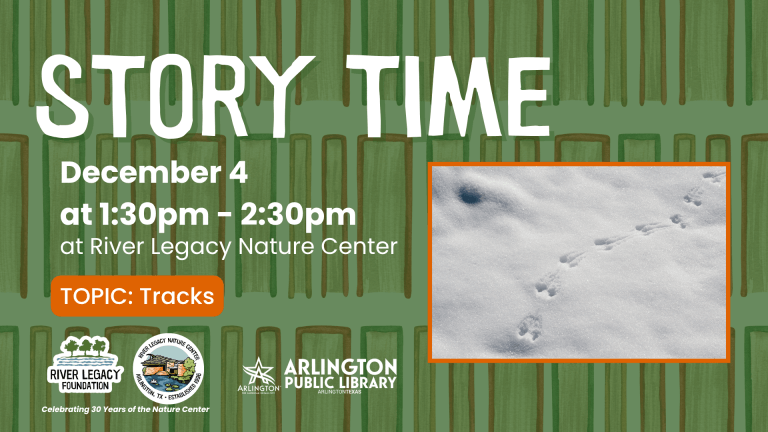
Family Story Time: Animal Tracks
Join us on December 4 for a family-friendly nature program all about story time and animal tracks! In partnership with the Arlington Public Library, this...
Learn More
December 21, 2026
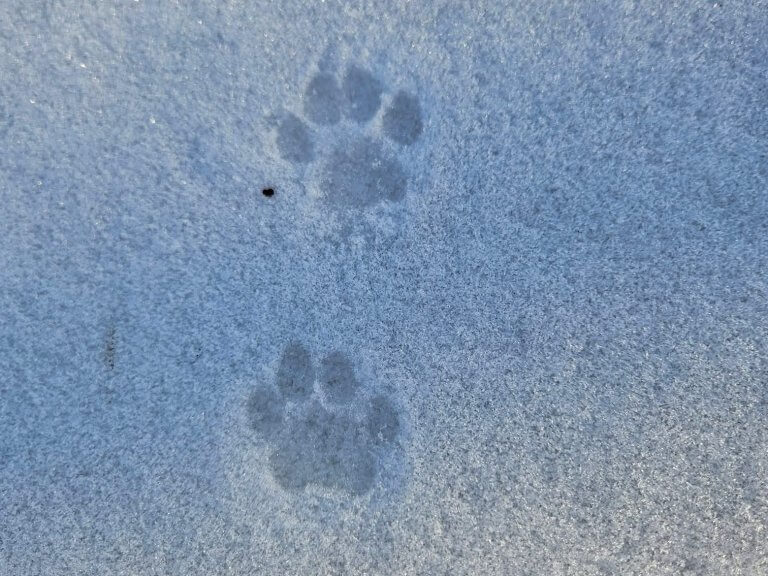
Animal Track Adventures Enrichment Class (Ages 5-9)
Join us for an exciting hands-on adventure into the world of animal tracks! In this class, young explorers will learn how animals leave clues behind—and...
Learn More
December 26, 2026
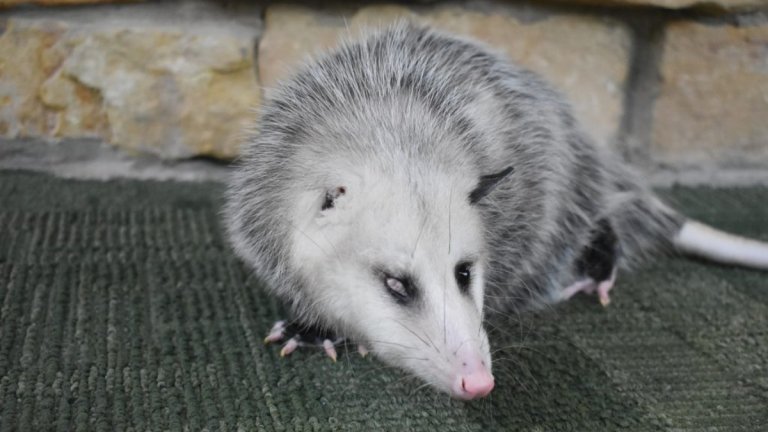
Free Animal Presentation: Opossums
Join us for Creature Features and meet River Legacy Nature Center’s featured animal ambassador: Opossums! Learn about the animal’s adaptations, behavior, lifestyle and natural history...
Learn More