Today's Hours:

Why is water important anyway?
2 minutes
September 10, 2018
Water is a vital resource for life. We have all seen or heard this statement since we can remember. But, what makes water unique for living organisms, from humans to blue whales to bacteria to mushrooms?
While entire articles and books can be written on the subject, here are just a few facts that make water essential:
- Water has the amazing ability to carry out a vast amount of chemical processes in contrast to many other liquids because of its chemical structure. This allows for humans, plants, and animals to undergo all of the processes they need for survival, from digestion to respiration to photosynthesis. No other liquid would allow for ALL of these to take place.
- Water prevents things from becoming dry. Since most organisms are majority water, this is key for survival in harsh conditions such as the desert. Without it, animals and plants would literally dry up and harden, dying in the process.
- Water actually becomes less dense as it freezes. This is something unique to water and it is the primary reason why ice floats. Without this property, our planet’s weather would be drastically different, affecting all life on Earth.
- Water can absorb a lot of heat before it actually starts heating up in comparison to other liquids. This is the reason why areas where there is a massive body of water nearby tend to be cooler than inland areas (for example, cities by a lake or the ocean). This also makes water an incredibly effective cooling mechanism.
The list goes on and on. Water is constantly being cycled; it goes from the clouds in the form of rain, to the plants and animals in the ground and to reservoirs, lakes, and streams. From there, it either continues to flow until it eventually makes its way into the ocean or it goes to our homes for consumption after a rigorous purification process. Water from our homes eventually rejoins the cycle. All water then ends up in the ocean where it can evaporate into the atmosphere, ready to fall back down as rain. Despite this seemingly never-ending cycle, at the end of the day, water is a finite resource. There was a time when our planet did not have any water and that happening again in the future cannot be ruled out. Therefore, it is very important that we conserve water. Conserving water is also financially smart in the long-run, both for cities and people’s homes.
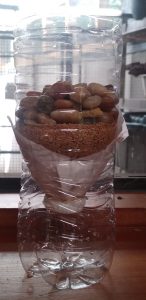 If you would like to know more about the purification process water goes through, allowing us to be good water conservationists, we invite you to our first Conservation Saturday event at 11 am, Sept. 22. There will be a family-friendly presentation on water conservation, and families will have a chance to create a water bottle water filter. Spaces are filling up quick, so if you would like to sign up, please call 817.860.6752 to RSVP. We hope to see you there!
Upcoming Events
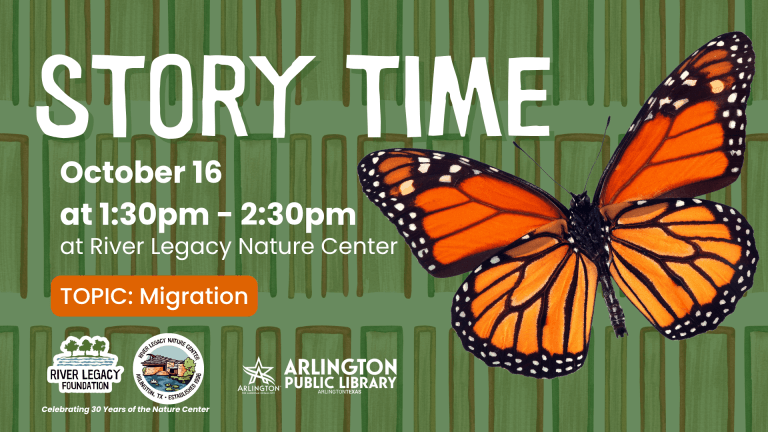
October 16, 2026
Family Story Time: Migration
Join us on October 16 for a family-friendly nature program all about story time and migration! In partnership with the Arlington Public Library, this interactive...
Learn More

October 17, 2026
Saturday Morning Hike
Join a River Legacy naturalist for a free Saturday morning hike through the trails of River Legacy Park! Enjoy a relaxed walk while learning more...
Learn More
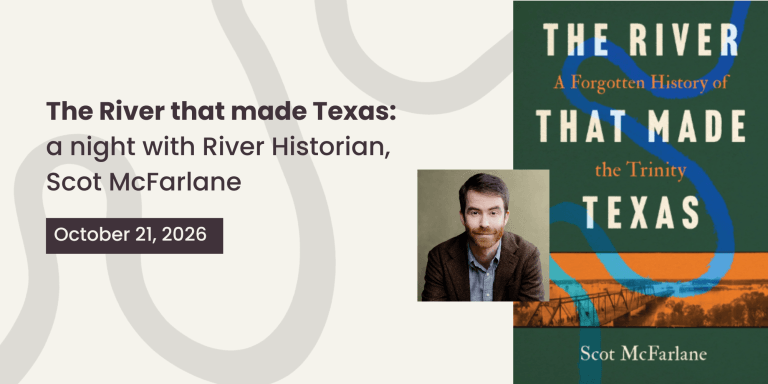
October 21, 2026
The River that Made Texas: An Evening with Scot McFarlane
Join River Legacy Nature Center for a special evening with river historian and author Scot McFarlane, celebrating the release of his new book, The River...
Learn More
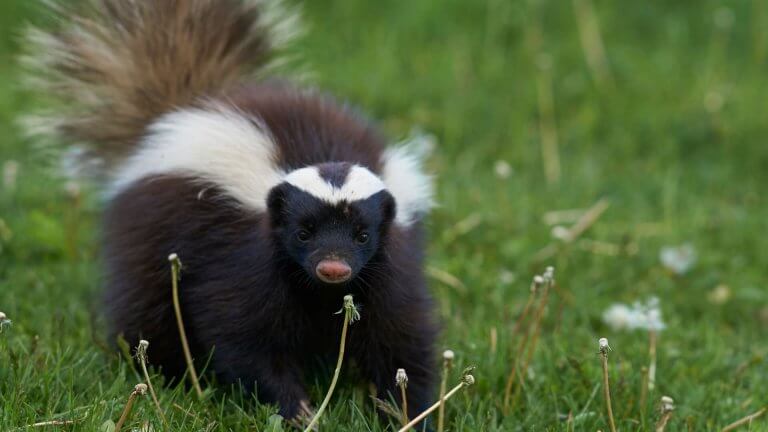
October 22, 2026
Adventures with Skunks (2.5-4 yrs old)
Join us to learn all about skunks! This is a 1 1/2 hour learning opportunity for preschoolers (ages 2 1/2 to 4 years old) and...
Learn More
October 26, 2026
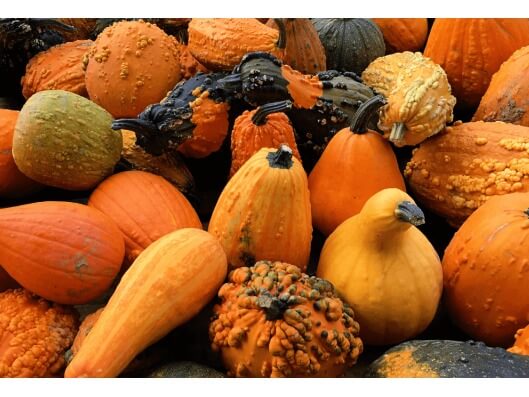
Pumpkinology Enrichment Class (Ages 5-9)
In this hands-on science class, students will explore pumpkins inside and out! We’ll dissect a pumpkin to examine its parts, test whether it sinks or...
Learn More

October 31, 2026
Free Animal Presentation: Sonoran Gopher Snake
Join us for Creature Features and meet River Legacy Nature Center’s featured animal ambassador: the Sonoran gopher snake! Learn about the animal’s adaptations, behavior, lifestyle...
Learn More
November 2, 2026
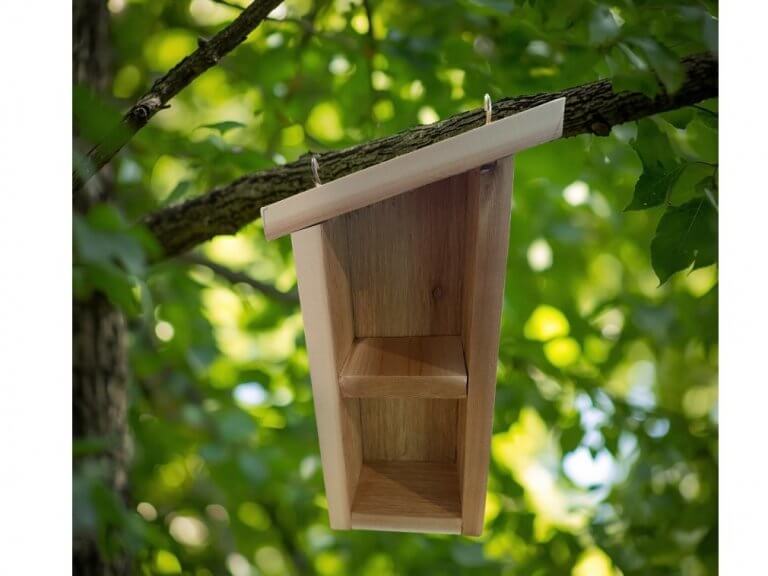
Insect Inn Enrichment Class (Ages 5-9)
Welcome to the Insect Inn, where young nature explorers become builders and bug buddies! In this hands-on STEM class, children will create their very own...
Learn More
November 5, 2026
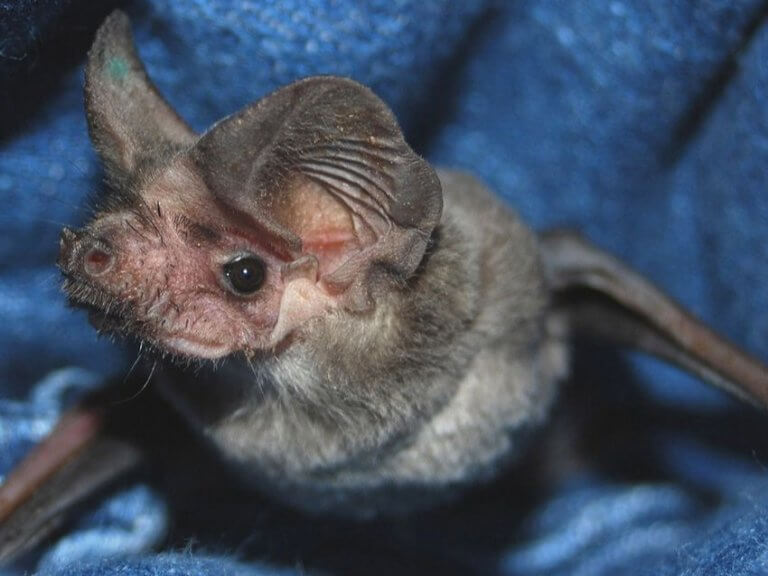
Adventures with Bats (2.5-4 yrs old)
Join us to learn about the wonderful life of bats! This is a 1 1/2 hour learning opportunity for preschoolers (ages 2 1/2 to 4...
Learn More
November 6, 2026
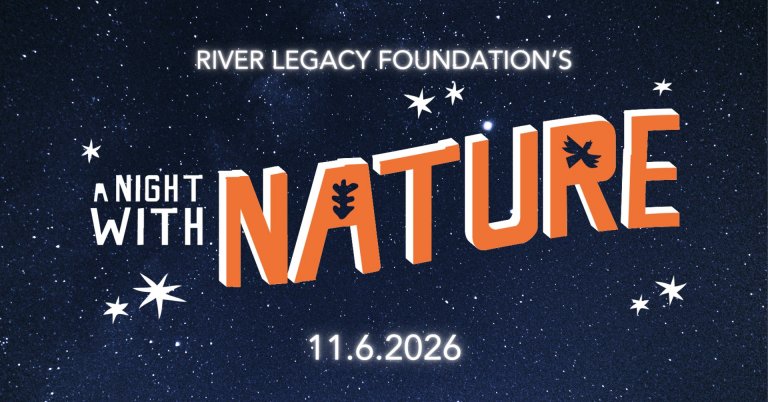
A Night with Nature
Join us for A Night With Nature—an enchanting evening of food, drinks, and fun at River Legacy Nature Center! This 21 fundraiser supports our vital environmental...
Learn More
November 19, 2026
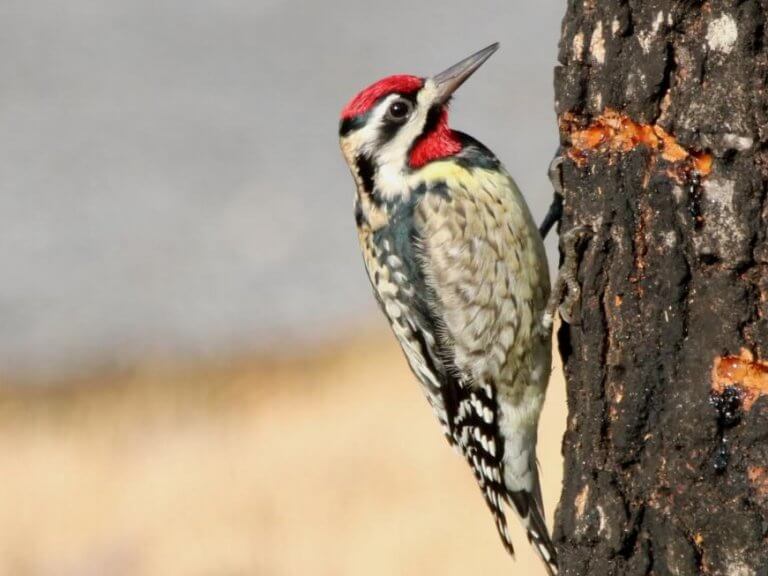
Adventures with Woodpeckers (2.5-4 yrs old)
Join us to learn all about woodpeckers! This is a 1 1/2 hour learning opportunity for preschoolers (ages 2 1/2 to 4 years old) and...
Learn More