Today's Hours:


How to Make Homemade Bird Suet
1 minute
January 23, 2025
If you’re looking to add a delicious treat to your backyard bird feeders, consider making suet—a high-energy food source that is especially important for birds during the colder months. Suet provides essential fats that help birds maintain their high metabolic rates, making it a perfect addition to your backyard feeders.
Why Suet?
Birds, particularly songbirds and woodpeckers, require a diet rich in fats to sustain their energy, especially during migration, raising their young, or surviving harsh weather conditions. Suet is simply animal fat, traditionally made from beef fat, but you can make an excellent alternative at home using lard.
Ingredients and Preparation
To make suet, start with a base of lard. This affordable and easy-to-use fat won’t melt easily, making it ideal for suet. Next, mix in various bird-friendly ingredients such as black oil sunflower seeds, unsalted nuts, grits, and even small amounts of peanut butter. Avoid using bacon drippings, bread products, or anything with high salt content as these can harm birds.
Once you’ve mixed your ingredients, shape the suet mixture into clumps and store them in the refrigerator until you’re ready to use them. These homemade suet cakes can be placed in wire suet feeders or spread into natural suet logs, which are simply hollowed-out logs that serve as bird feeders.
Final Tips
Remember to place your suet feeders in areas where birds can easily access them, like near trees or shrubs that provide cover. Feeding suet is a great way to attract a variety of birds to your yard, allowing you to enjoy watching them up close.
We’d love to see your homemade suet! As soon as you’ve made some and placed it in your feeders outside, send us a picture on Instagram!
Upcoming Events
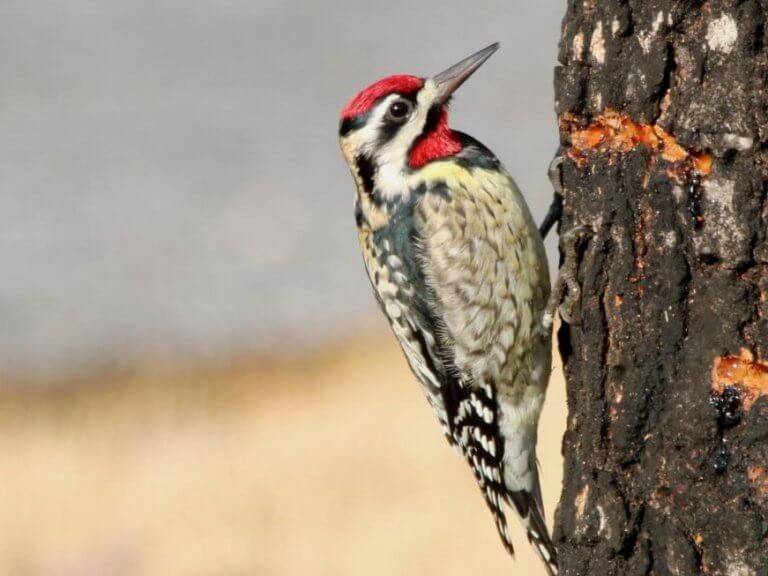
November 19, 2026
Adventures with Woodpeckers (2.5-4 yrs old)
Join us to learn all about woodpeckers! This is a 1 1/2 hour learning opportunity for preschoolers (ages 2 1/2 to 4 years old) and...
Learn More
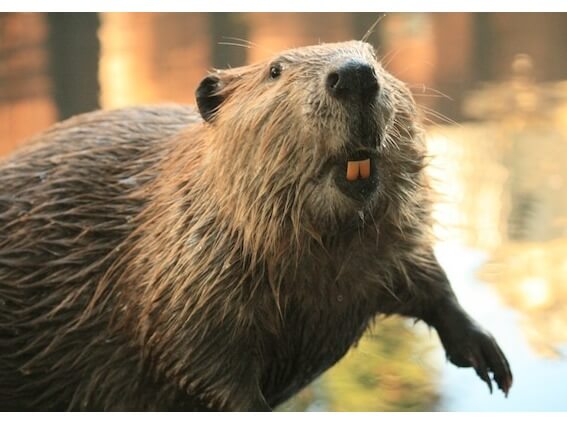
November 23, 2026
Nature’s Simple Machine Enrichment Class (Ages 5-9)
In this hands-on class, young explorers will discover how simple machines can be found in nature and how animals use these clever tools to help...
Learn More
November 28, 2026
Free Animal Presentation: Salamanders
Join us for Creature Features and meet River Legacy Nature Center’s featured animal ambassadors: Salamanders! Learn about the animal’s adaptations, behavior, lifestyle and natural history...
Learn More
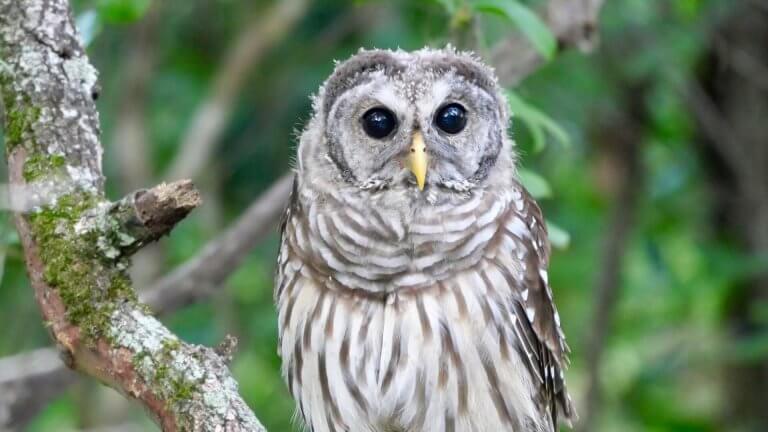
December 3, 2026
Adventures with Owls (2.5-4 yrs old)
Join us to learn all about owls! This is a 1 1/2 hour learning opportunity for preschoolers (ages 2 1/2 to 4 years old) and...
Learn More
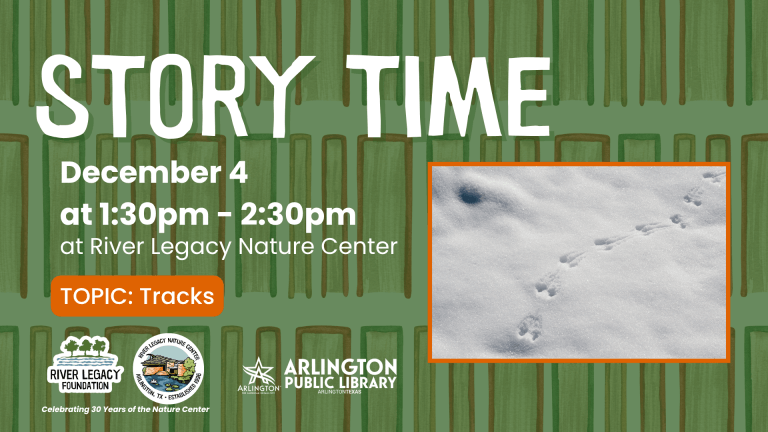
December 4, 2026
Family Story Time: Animal Tracks
Join us on December 4 for a family-friendly nature program all about story time and animal tracks! In partnership with the Arlington Public Library, this...
Learn More
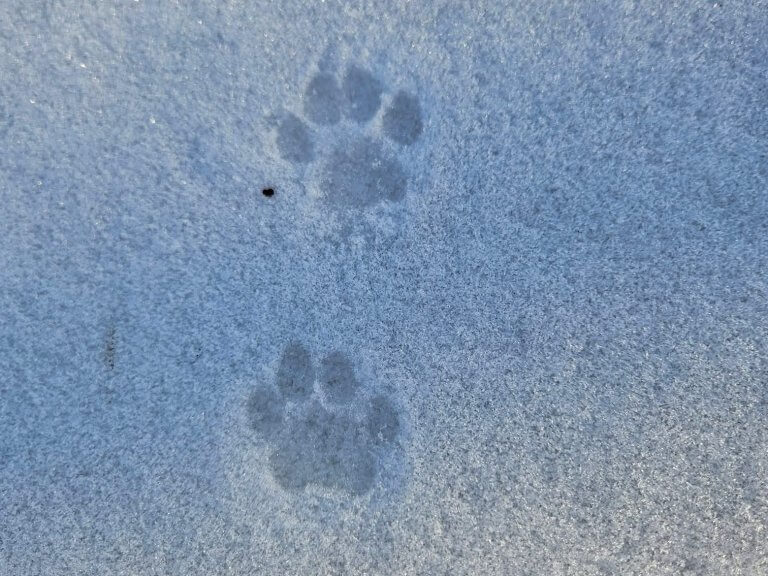
December 21, 2026
Animal Track Adventures Enrichment Class (Ages 5-9)
Join us for an exciting hands-on adventure into the world of animal tracks! In this class, young explorers will learn how animals leave clues behind—and...
Learn More
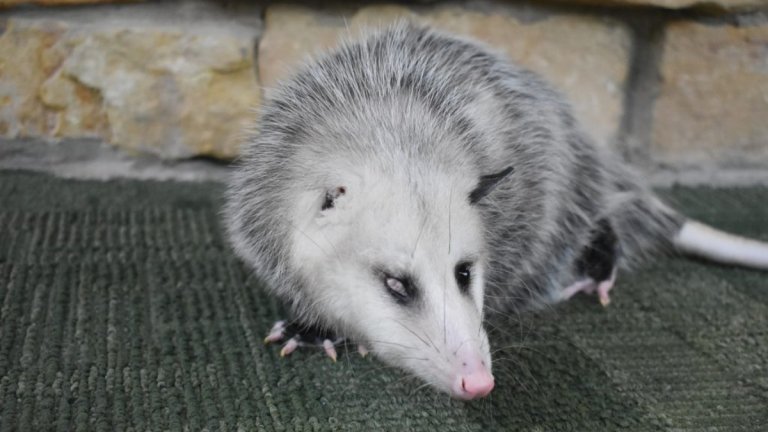
December 26, 2026
Free Animal Presentation: Opossums
Join us for Creature Features and meet River Legacy Nature Center’s featured animal ambassador: Opossums! Learn about the animal’s adaptations, behavior, lifestyle and natural history...
Learn More